
BankIowa
Updated 9:18 AM CST, Wed January 7, 2026
Published Under: Fraud Prevention & Security
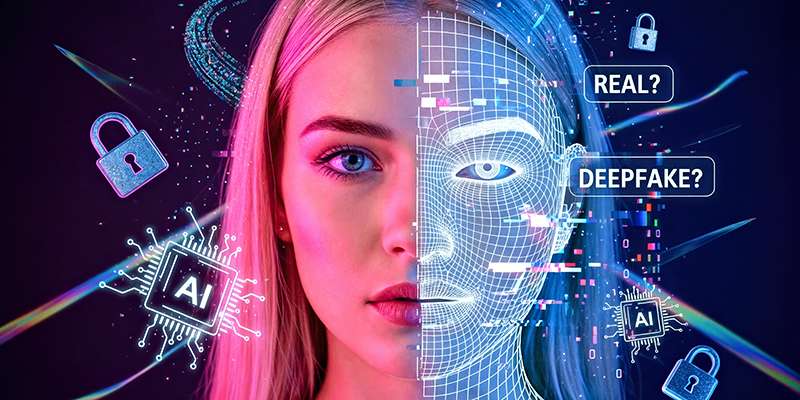
In the digital age, we’ve grown accustomed to the classic scams: a poorly spelled email from a distant prince or a suspicious link claiming we’ve won a sweepstakes. However, the landscape of identity theft has shifted dramatically with the advent of generative Artificial Intelligence. Scammers are no longer just using text; they are using your own voice, face, and mannerisms against you. In 2025 alone, deepfake-driven fraud resulted in more than $200 million in losses. AI impersonation is the new frontier of fraud, and it is more convincing—and dangerous—than anything we have seen before.
How AI Impersonation Works
AI impersonation primarily utilizes two technologies: deepfake video and voice cloning. By harvesting just thirty seconds of audio from a social media video or a public speech, a scammer can use AI to clone a person’s voice with terrifying accuracy. They then use this clone to place "emergency" phone calls to family members, claiming to be in an accident, in jail, or in desperate need of a wire transfer. The Federal Communications Commission (FCC) warns about an AI-driven scam targeting grandparents, in which fraudsters call and impersonate a grandchild or other close relative.
Similarly, deepfake video technology allows criminals to impersonate high-level executives (CFOs or CEOs) in video meetings. In several documented cases, employees have authorized multi-million-dollar transfers after participating in a video call with what appeared to be their boss, only to find out later that every participant on the screen—except for themselves—was AI-generated.
Celebrity Fakes
AI deepfake technology is allowing fraudsters to realistically impersonate celebrities and social media influencers, often targeting victims through phony endorsements of sketchy products, brands, or nonprofits. In one example, Oprah Winfrey recently appeared in social media videos promoting a weight-loss supplement. Except it wasn’t really Oprah—it was an AI-generated fake, and the sales pitch led to a dubious website. So we even have to beware of celebrity endorsements, especially when the action requested is driving a purchase through a website.
The Dangers of Identity Theft
The goal of these impersonations is usually twofold: immediate financial gain or long-term identity theft. By mimicking a trusted figure, scammers can trick victims into revealing social security numbers, banking credentials, or internal company secrets. Because the "imprint" of our digital identity—our voice and face—is being stolen, the damage can be permanent. Unlike a stolen credit card, you cannot simply "cancel" your face or your voice once it has been digitized and used for fraud.
How to Prevent Being Scammed
While the technology is sophisticated, the best defenses are surprisingly human. Here is how you can protect yourself:
1. Establish a "Family Password" In an era of voice cloning, never trust a voice alone during an emergency call. Establish a secret word or phrase with your loved ones that only your family knows. If someone calls claiming to be a child or spouse in trouble, ask for the "safe word." If they can’t provide it, hang up immediately.
2. Verify Through a Secondary Channel If you receive a suspicious request for money or sensitive data—even if it looks like a video call from your CEO—contact that person through a completely different platform. Call their known phone number or send a message on a secure internal chat. Do not use the contact information provided by the person currently "calling" you.
3. Be Skeptical of High-Pressure Tactics AI scams rely on fear to bypass your rational thinking. Scammers create a sense of extreme urgency. If a caller demands a wire transfer, cryptocurrency payment, or gift card immediately, it is almost certainly a scam.
4. Limit Your Public Audio/Video While difficult in a social media world, be mindful of how much "raw material" you provide. Setting social media profiles to private can prevent bad actors from scraping your voice or photos to build an impersonation profile.
Conclusion
AI impersonation is a sophisticated threat, but it is not invincible. By combining a healthy dose of skepticism with proactive communication strategies like family passwords, you can stay one step ahead of the scammers. In the age of AI, the most powerful security tool is a vigilant mind.
Comments