
BankIowa
Updated 1:42 PM CDT, Mon March 16, 2026
Published Under: Fraud Prevention & Security
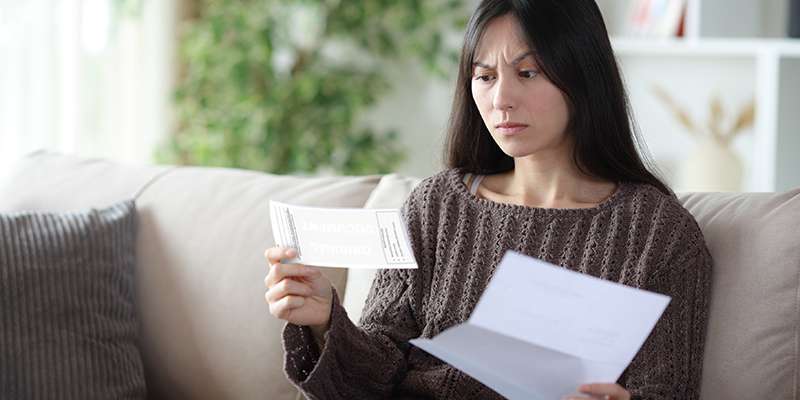
In an era of digital wire transfers and mobile apps, it might seem surprising that one of the most effective tools for modern fraudsters is a piece of paper: the traditional check. Recently, a growing number of consumers have reported receiving unsolicited checks in the mail that they didn’t request and weren't expecting.
While the prospect of "free money" is always tempting, these checks are often the first hook in a sophisticated identity theft or financial fraud scheme. At BankIowa, we want to help you spot these red flags before you visit the ATM.
The Anatomy of the "Unexpected Check" Scam
Fraudulent checks are becoming increasingly difficult to distinguish from the real thing. They often feature legitimate-looking watermarks, professional bank logos, and even authentic-looking routing numbers. However, the scam isn't just about the money on the face of the check—it’s about what happens when you try to cash it.
Common variations of this scam include:
- The "Overpayment" Trap: You are sent a check for a prize or a "mystery shopping" assignment but are told you were "accidentally" overpaid and must wire back a portion of the funds.
- The Identity Harvest: The check includes instructions to write your phone number, account number, or full signature on the back. This information is then used to bypass security hurdles on your actual bank accounts.
- The "Binding Contract" Clause: In some cases, the fine print on the back of the check states that by endorsing it, you are unknowingly signing up for a high-interest loan or a recurring monthly subscription service.
Why This Matters: The Risk of "The Bounce"
Under federal law, banks generally must make deposited funds available quickly—usually within one to two business days. However, it can take weeks for a bank to discover that a check is a sophisticated fake.
If you deposit a scam check and spend the money, you are legally responsible for repaying that amount to the bank once the check eventually bounces. This can lead to overdrawn accounts, frozen funds, and a significant hit to your credit score.
How to Protect Yourself
To keep your finances secure, keep these "Golden Rules" of check safety in mind:
- Verify the Source: If you didn't enter a lottery or post an item for sale online, there is no reason for a stranger to send you money. Be skeptical of "risk-free" claims.
- Inspect the Paperwork: Look for typos in the address, blurry logos, or a lack of a physical bank address.
- Never Share Data on the Back: A legitimate check only requires your signature for endorsement. Never write your phone number, Social Security number, or account numbers on the back of a check.
- Don’t Be Pressured: Scammers create a sense of urgency, insisting you deposit the check "immediately." Take your time and verify.
Conclusion
Do not deposit checks you did not request. If you receive a check that feels "off," don’t take the risk. Before you deposit it, bring it into your local BankIowa branch or give us a call. Our team can help you verify the document's legitimacy and ensure your personal information remains exactly where it belongs—with you.
If you suspect you’ve been targeted by a check scam, contact us immediately so we can help secure your accounts.
Comments