
BankIowa
Updated 1:39 PM CDT, Mon July 20, 2026
Published Under: Fraud Prevention & Security
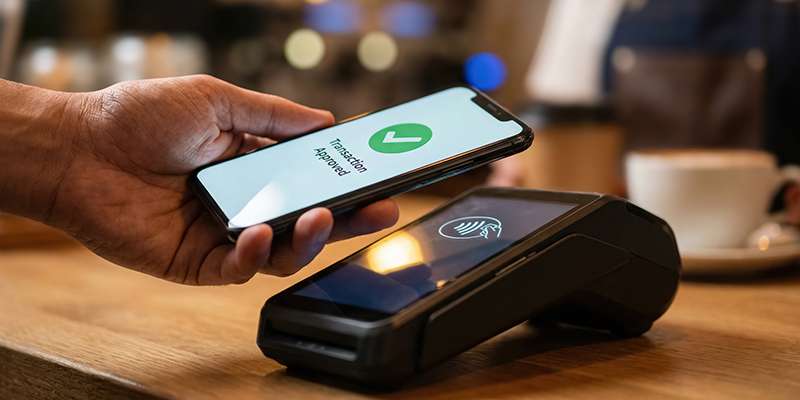
Contactless payment technology, whether tapping your physical debit card, phone, or digital wallet, has revolutionized the way we pay for everyday purchases. It is fast, convenient, and protected by advanced encryption that makes it generally more secure than swiping traditional magnetic stripe cards.
However, as consumers adopt modern payment methods, fraudsters adapt their tactics. Scammers are increasingly targeting tap-to-pay technology, particularly in high-traffic outdoor settings such as summer fairs, local farmers' markets, transit hubs, and crowded festivals. Understanding how these schemes work, often referred to as "ghost tapping" or mobile terminal fraud, is the best way to safeguard your accounts.
How Tap-to-Pay Scams Work
Fraudsters typically exploit busy environments where shoppers are distracted or moving quickly. Modern tap-to-pay scams usually unfold in one of two main ways:
- Manipulative Overcharging at Pop-Up Stalls: Scammers pose as legitimate street vendors, food trucks, or charitable organizations asking for a small donation. When you tap to pay, the operator uses a handheld terminal or mobile adapter that hides or obscures the transaction amount. They rush you through the process, charging your card for $50 or $500 instead of the agreed-upon $5.
- Proximity "Ghost Tapping": In a rarer, high-tech variation, fraudsters carry concealed card readers through dense crowds. By bumping into someone or standing extremely close while holding a hidden terminal, the device can capture an unauthorized contactless signal from a card or unlocked phone. Scammers often start with small "test" charges to see if the transaction registers before attempting larger amounts later.
Key Warning Signs to Watch For
When shopping at local markets or temporary venues, keep an eye out for these potential red flags:
- Obscured Terminal Screens: The vendor asks you to tap without allowing you to clearly see the total dollar amount on the display.
- Refusal to Provide Receipts: The merchant refuses to offer a physical or digital receipt after the purchase.
- Pressure and Rush Tactics: The seller hurries the payment process, distracting you so you don't double-check the terminal details.
- Unfamiliar Micro-Transactions: You spot small, unexplained charges on your bank account statements following a public event.
How to Protect Your BankIowa Accounts
You don't need to give up the convenience of contactless payments to stay safe. Following a few simple habits will keep your hard-earned money secure:
- Always Confirm the Amount: Before tapping, insist on seeing the terminal display to verify both the purchase total and the merchant's business name.
- Enable Real-Time Alerts: Set up transaction notifications through BankIowa’s mobile app or online banking. Receiving an instant push notification or text every time your card is used allows you to spot unauthorized charges immediately.
- Lock Digital Wallets with Biometrics: If you store your cards on a mobile phone (such as Apple Pay or Google Wallet), ensure biometric authentication, like facial recognition or fingerprint scanning, is required for every transaction.
- Store Cards Securely: Avoid walking around with your payment cards out in the open. Keeping your cards stored inside a traditional wallet or an RFID-blocking sleeve prevents unauthorized scanning in tight crowds.
What to Do If You Spot Suspicious Activity
Tap-to-pay remains an exceptionally safe way to shop, but vigilance is key. If you ever notice unfamiliar transactions or suspect your card was overcharged, report the activity to BankIowa right away. Promptly notifying us allows our team to temporarily freeze your card, prevent further fraudulent charges, and assist you in disputing unauthorized payments.
Comments